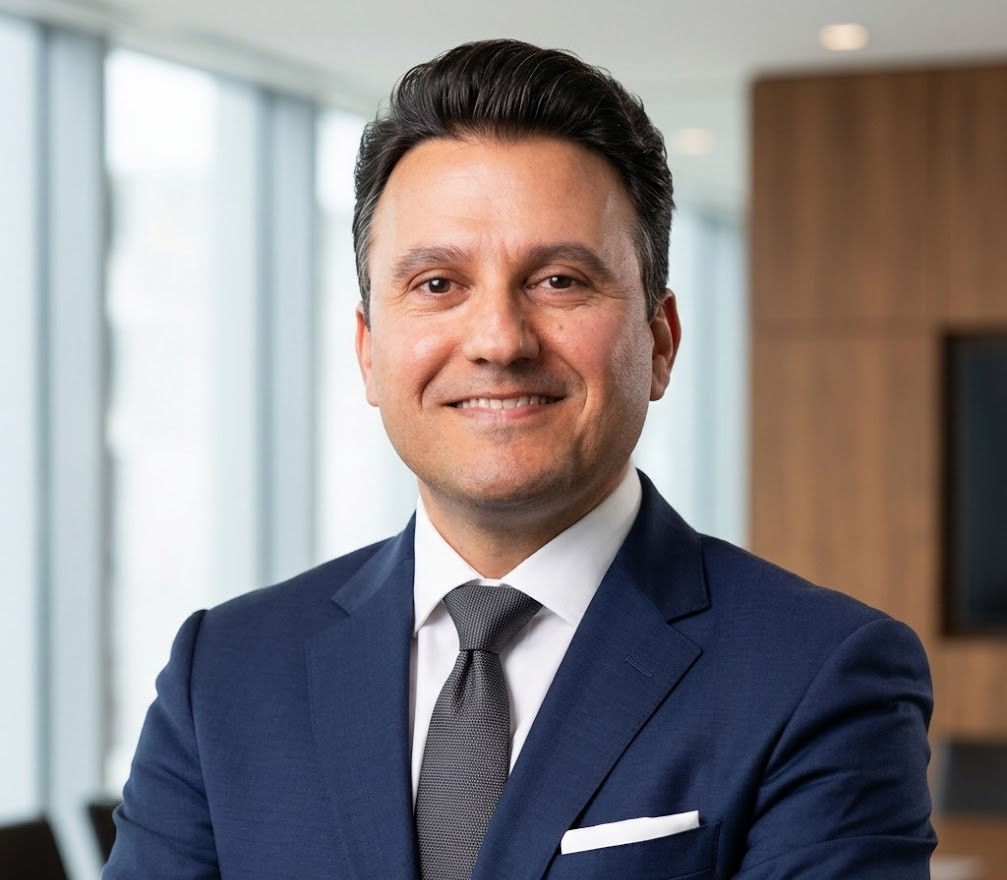
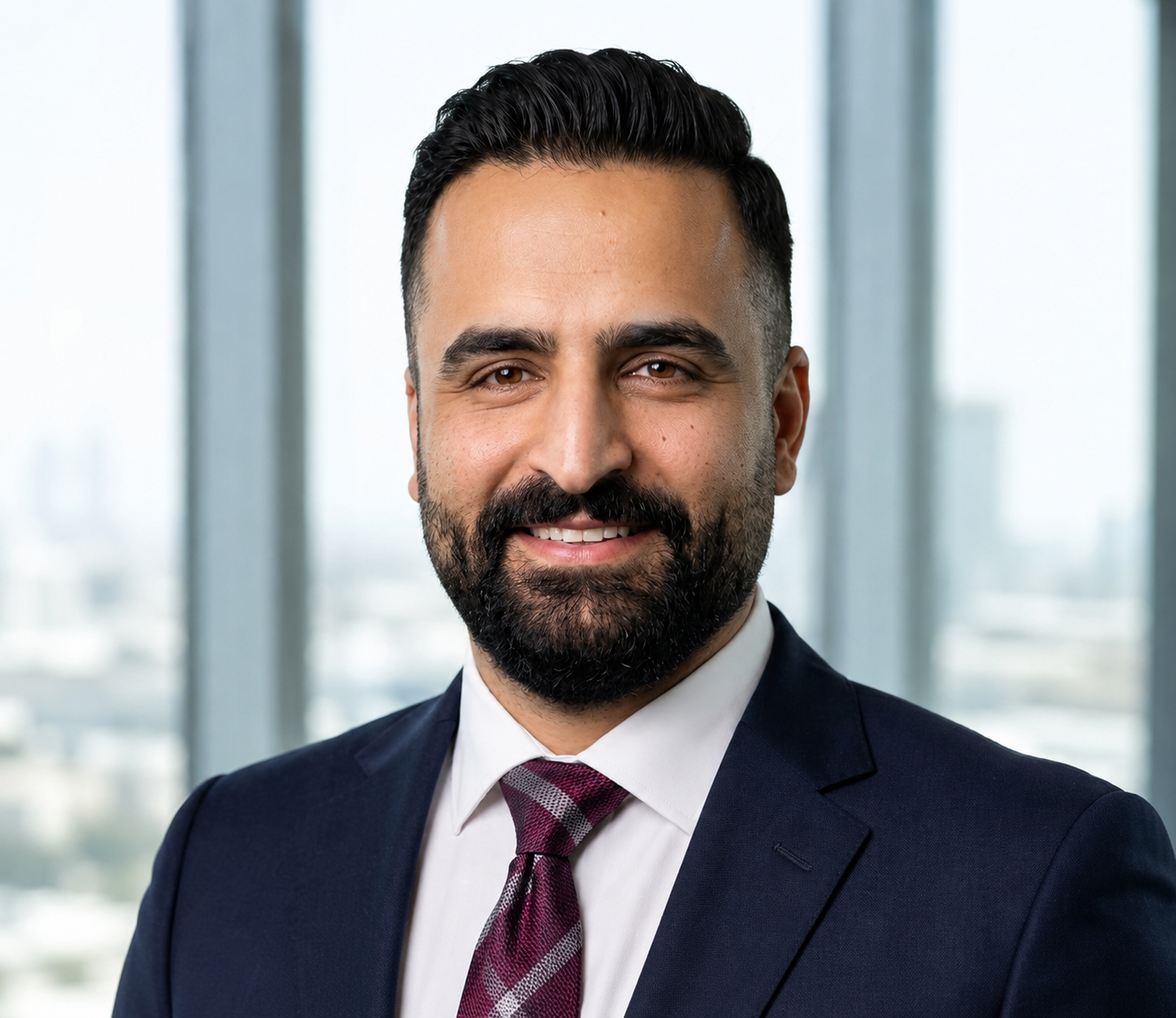
His expertise includes cognitive and physical ergonomics, ergonomic risk assessment, human-centered design, usability evaluation, mental workload assessment, human error and system safety analysis, workflow optimization, and human-machine interaction. He applies a broad range of methods, including task and workflow analysis, participatory design, usability testing, eye tracking, EEG, physiological monitoring, biomechanical assessment, workplace observation, and mixed-methods research. He also uses applied data analysis and machine-learning approaches to translate complex human-performance and sensor data into practical design and risk-reduction recommendations.
Dr. Dehghan has worked across aviation and aerospace, healthcare, medical technology, manufacturing, petrochemical operations, occupational health, and other safety-critical environments. His current aviation work examines pilot mental workload, situation awareness, fatigue, and pilot-system interaction using multimodal biometric data such as EEG, EDA, HR/HRV, and eye tracking. His healthcare research has included IoT-enabled monitoring systems, sensor-based pain detection, and the co-creation of intelligent dashboards to support caregivers and improve decision-making in senior residences.
His professional background also includes ergonomic workplace assessment, workstation and product design, musculoskeletal disorder prevention, human error analysis, safety risk assessment, usability engineering, and the development of practical interventions for industrial and healthcare organizations. His record includes more than 35 peer-reviewed publications, 11 patents, academic leadership, applied research, technology transfer, and the design and commercialization of ergonomic products.
At Risk Analytics AI, Dr. Dehghan contributes to AI-enabled ergonomic risk assessment, human-centered intervention design, and responsible human-AI teaming. He supports organizations in identifying physical, cognitive, operational, and system-level risks associated with emerging technologies and translating those findings into practical controls, design improvements, and implementation strategies. His work is guided by a central principle: AI systems should enhance human performance and decision-making without compromising worker safety, health, autonomy, or well-being.