RESPONSIBLE AI · RISK INTELLIGENCE · OPERATIONAL RESILIENCE

Applied Intelligence for Safer, More Resilient Systems

Risk Analytics AI (RAAI) applies transparent, human-accountable AI and advanced analytics to help organizations understand changing risk, strengthen critical controls, improve operational decisions, and build safer, more resilient work systems.

  • Problem-first
  • Domain-grounded
  • Transparent by design
  • Human accountable

Applied across complex work systems

  • Aviation & Aerospace
  • Energy & Process Operations
  • Manufacturing
  • Healthcare
  • Human-Centered Systems

What problems do we solve?

AI-enabled capabilities built for real operational risk

RAAI combines safety science, engineering, advanced analytics, human factors and responsible AI assurance to address consequential operational decisions.

01AI-Enabled Engineering

Risk & Safety Engineering

Use AI and advanced computation to identify weak signals, model evolving hazards, monitor critical-control health and learn systematically from incidents and precursors. We connect engineering logic with operational data so models reflect how work and controls actually behave.

Representative applications

  • AI-assisted hazard and scenario discovery
  • Dynamic and probabilistic risk modeling
  • Critical-control health analytics
  • Incident and precursor intelligence
Discuss this capability
02Advanced Analytics

Risk Analytics & Decision Support

Turn fragmented operational data into interpretable early warnings, forecasts and decision tools. We develop fit-for-purpose analytical models around a defined decision so teams can prioritize inspections, interventions, resources and management attention.

Representative applications

  • Early-warning and anomaly detection
  • Predictive and time-series modeling
  • Leading-indicator design and validation
  • Simulation, optimization and prioritization
Discuss this capability
03Responsible AI

AI Governance & Assurance

Determine whether an AI use case is appropriate, what evidence is required and how the system should be validated, supervised, monitored and controlled. We translate governance principles into practical assurance requirements for real operating environments.

Representative applications

  • Use-case screening and risk classification
  • Data fitness and bias assessment
  • Model validation and stress testing
  • Human oversight, drift monitoring and traceability
Discuss this capability
04Human-Centered AI

Human Factors & Ergonomics

Apply AI-enabled analytics to physical and cognitive demands, work patterns, fatigue and human-technology interaction. We use sensor, image, task and operational data to identify high-strain or error-likely conditions and support safer system design.

Representative applications

  • Computer-vision ergonomic analysis
  • Sensor and exposure analytics
  • Workload, fatigue and performance modeling
  • Human-AI interaction and automation evaluation
Discuss this capability

A problem-first engagement model

Bring us the operational problem - not a predetermined algorithm.

Every engagement begins with the decision, operating context, available evidence and consequences of error. We then determine whether AI, advanced analytics, simulation, optimization or a simpler method is appropriate.

Start a Project Conversation

Why RAAI?

Research-grounded AI for consequential decisions

The value of an analytical model depends on more than predictive performance. It must be technically sound, operationally meaningful, transparent enough to challenge and governed throughout its lifecycle.

01

Domain before data science

Safety science, risk engineering, human factors and operating context shape problem framing, variables, assumptions, validation criteria and how outputs are used.

02

Transparent analytical evidence

We favor reviewable methods and make data limitations, uncertainty, model boundaries, tradeoffs and the basis for recommendations visible.

03

Human-accountable assurance

AI informs decisions; qualified people retain authority. Oversight, escalation, fallback controls and lifecycle monitoring are designed from the beginning.

How we work

A disciplined path from problem to monitored use

Each phase creates evidence for the next and establishes clear decision ownership.

  1. 01

    Frame the decision

    Define the operational problem, users, consequences, success criteria and decisions the solution must support.

  2. 02

    Establish the evidence

    Assess data availability, quality, representativeness, linkage, limitations and analytical feasibility.

  3. 03

    Develop the model

    Select fit-for-purpose statistical, AI, simulation or optimization methods and build transparent analytical logic.

  4. 04

    Validate and assure

    Test performance, robustness, uncertainty, usability, failure modes, bias, oversight and intended-use boundaries.

  5. 05

    Integrate and monitor

    Embed outputs in real workflows and monitor model drift, operational performance, ownership and outcomes.

Research & Insights

Evidence Translated into Practical Action

Explore peer-reviewed research, applied insights, case intelligence, and practical tools advancing safety science, risk engineering, human factors, occupational health, ergonomics, and responsible AI.

RAAI Evidence-to-Practice Brief Peer-Reviewed Research Externally Published Research

Generative AI in Safety-Critical Systems: Risks of Sycophancy, Hallucination, and Trust Degradation

RAAI contributor: Dr. Sam Zarei

Generative AI can support safety work, but fluent and confident outputs can reinforce unsafe assumptions, fabricate technical information, and weaken professional scrutiny. This evidence-to-practice brief examines the implications of sycophancy, hallucination, automation bias, and cognitive offloading for safety-critical decision support.

Practical takeaway

Use generative AI as controlled decision support, not as an autonomous safety authority. Critical outputs require verified sources, expert review, defined approval responsibilities, and clear conditions for rejection or escalation.

Read the Evidence-to-Practice Brief

RAAI Team

Multidisciplinary expertise for applied AI in complex work systems

RAAI integrates safety science, risk and reliability engineering, advanced analytics, responsible AI and human factors within one applied problem-solving team.

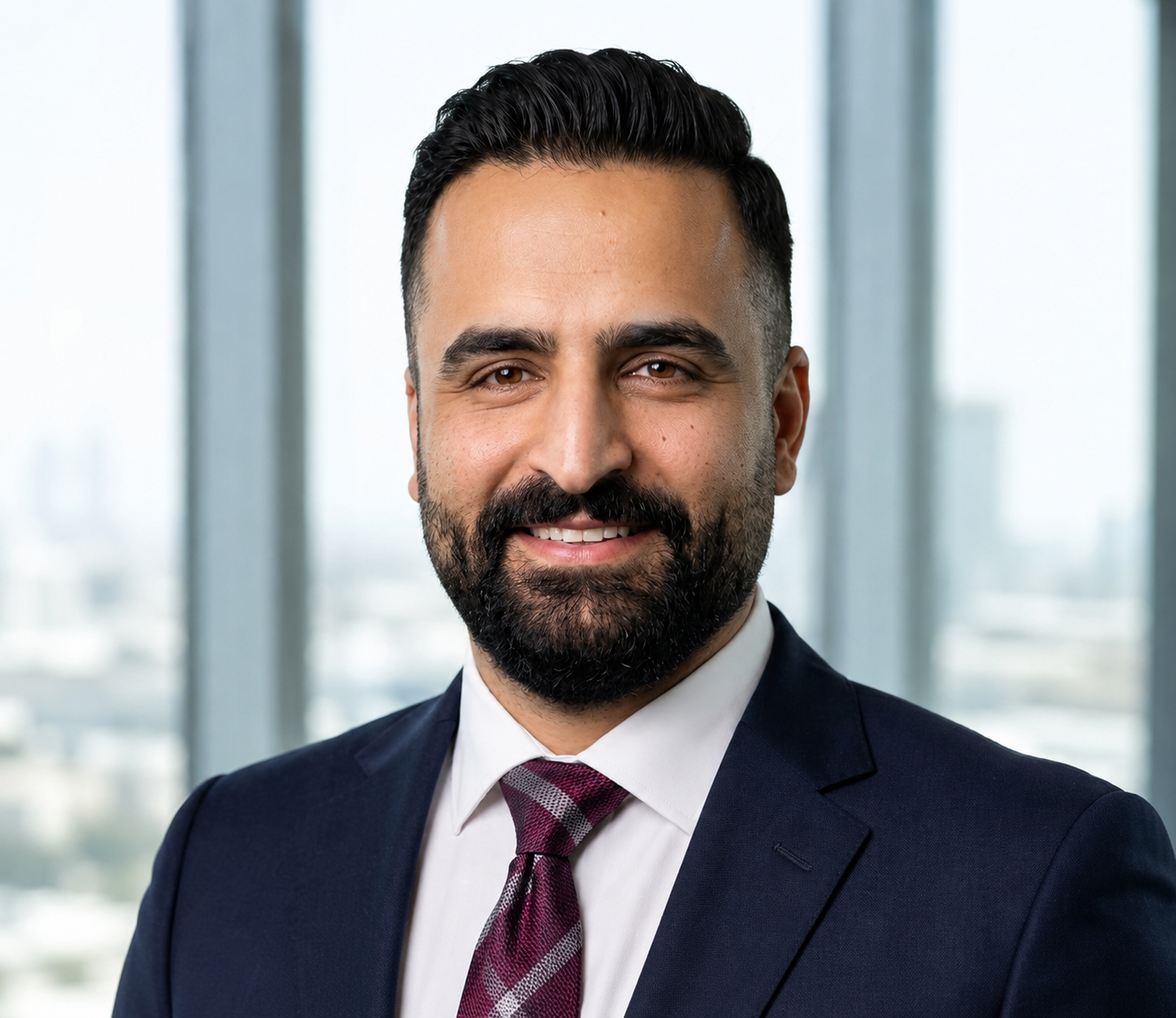
Portrait of Dr. Sam Zarei

Dr. Sam Zarei, Ph.D., CSP, FRAeS

Chief Executive Officer

Safety Science · Risk Engineering · Responsible AI

Dr. Sam Zarei is an internationally recognized safety and risk scholar-practitioner and the Chief Executive Officer of Risk Analytics AI, an independent organization advancing the practical, responsible, and assurance-driven application of artificial intelligence across safety, health, risk, and human-centered work systems. A Certified Safety Professional through the U.S. Board of Certified Safety Professionals, Dr. Zarei integrates occupational safety and health science, system safety engineering, risk analysis, advanced analytics, and AI assurance to help organizations strengthen risk intelligence, design more effective interventions, and improve the reliability of critical controls.

View full bio

With more than 15 years of combined academic and applied industry experience, his work spans the oil and gas, aviation, aerospace, and manufacturing sectors. His professional perspective has been shaped by cross-cultural leadership and practice in the United States, Canada, and Iran, giving him a broad understanding of how safety, risk, technology, and organizational systems interact across diverse regulatory and operational environments.

Dr. Zarei has authored more than 200 peer-reviewed publications in leading international journals in safety science, risk engineering, occupational safety and health, and related disciplines. He also contributes to the advancement of the field through editorial leadership and active engagement with emerging research in system safety, risk science, human factors, and responsible AI.

He holds doctoral degrees in Occupational Safety and Health Engineering and Oil and Gas Engineering. His work bridges scientific research, professional practice, education, and innovation, with a particular focus on AI-enabled risk intelligence, intervention design, control assurance, and resilient work systems.

Dr. Zarei is also an Associate Professor of Safety Science at Embry-Riddle Aeronautical University. His academic appointment is separate from his ownership, management, and professional activities with Risk Analytics AI. Risk Analytics AI operates independently and is not affiliated with, sponsored by, or endorsed by Embry-Riddle Aeronautical University.

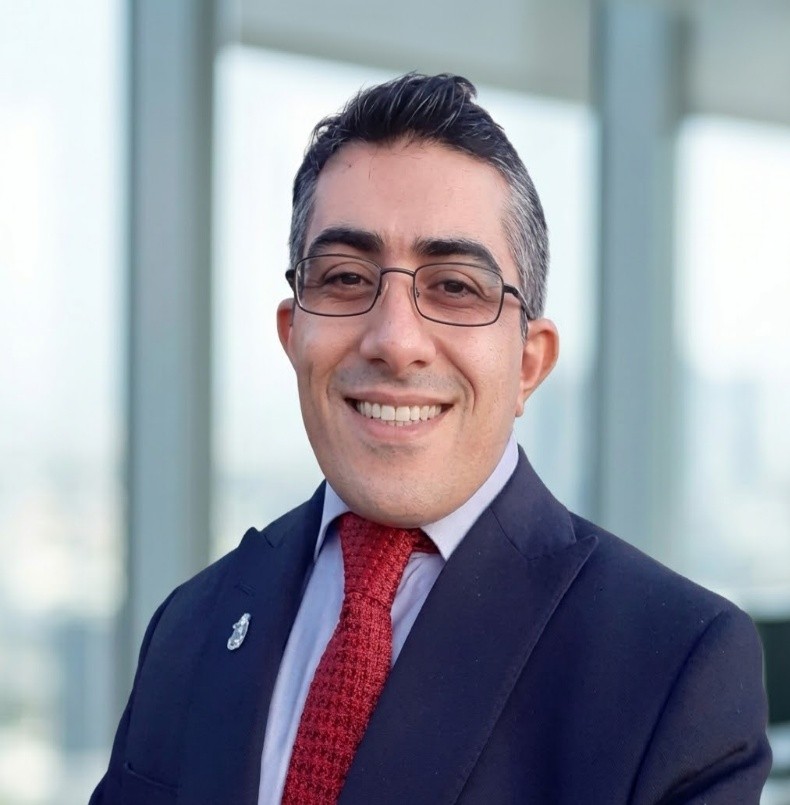
Portrait of Kamran Gholamizadeh

Kamran Gholamizadeh

Chief Research and Innovation Officer

Risk and Reliability Engineering · Computational Risk Modeling · Process Safety

Kamran Gholamizadeh is a senior risk and reliability engineer whose work integrates safety engineering, computational risk analysis, process safety, and data-driven decision support for complex sociotechnical systems. He serves as Chief Research and Innovation Officer at Risk Analytics AI, where he leads the development of advanced analytical frameworks for understanding, predicting, and managing high-consequence risk.

View full bio

He is a researcher in the Department of Systems Engineering at École de technologie supérieure in Montréal, Québec. His work bridges process safety, human factors, reliability engineering, and computational intelligence, with a particular focus on how technical failures, organizational conditions, and human-system interactions combine to shape accident pathways and systemic vulnerability.

Mr. Gholamizadeh develops dynamic and data-informed risk models using methods such as Dynamic Bayesian Networks, fuzzy logic, machine learning, multi-criteria decision analysis, and probabilistic modeling. These approaches support the analysis of evolving accident scenarios, interdependent hazards, uncertainty, and the performance of preventive and mitigative controls.

His research includes domino-effect analysis, hazardous-materials transportation safety, dynamic risk assessment, and resilience in high-hazard systems. He also contributes to the development of knowledge-driven governance approaches that connect occupational safety and health indicators, system reliability, and predictive AI analytics to strengthen risk intelligence and control assurance.

Through his role with Risk Analytics AI, Mr. Gholamizadeh advances the organization’s research strategy, analytical methodologies, and innovation agenda across computational risk modeling, reliability assessment, process safety, and AI-enabled risk governance.

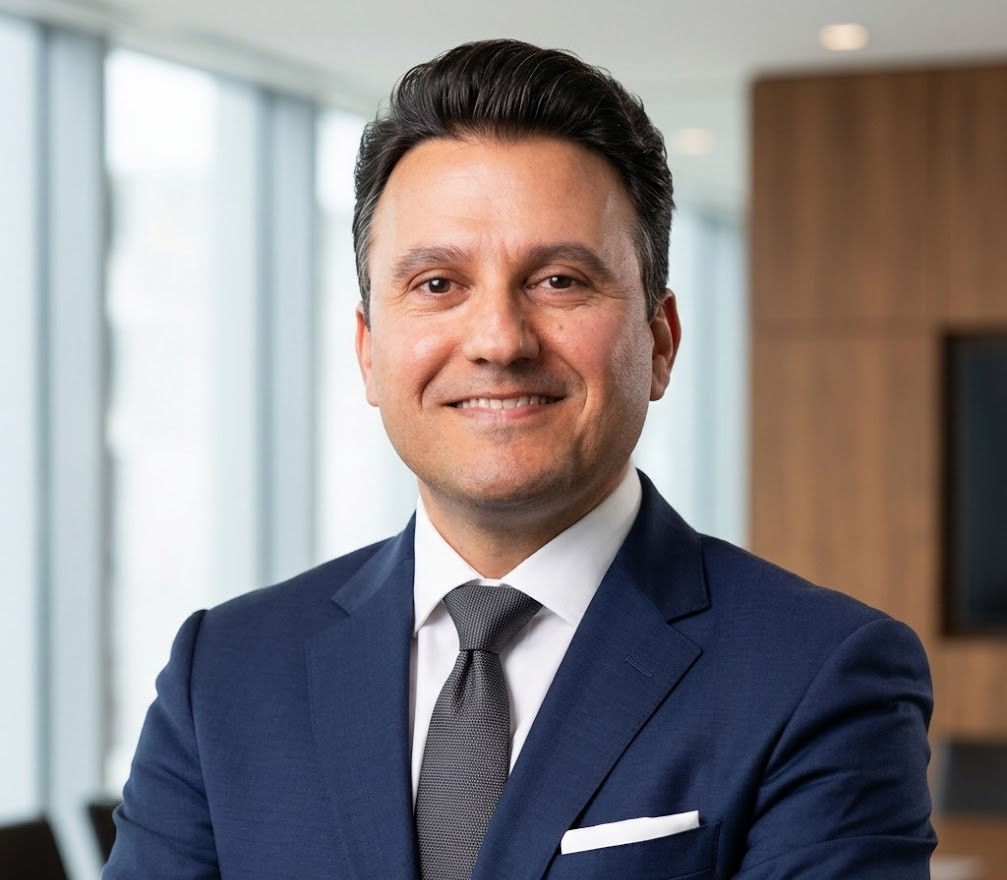
Portrait of Dr. Naser Dehghan

Dr. Naser Dehghan, Ph.D., CCPE.

Human Factors and Ergonomics Specialist

Human Factors Engineering · AI-Enabled Ergonomic Risk Assessment · Human-Centered Work Systems

Dr. Naser Dehghan is a Canadian Certified Professional Ergonomist with multidisciplinary experience in human factors engineering, industrial and occupational ergonomics, aviation safety, healthcare systems, neuroergonomics, and human-centered technology design. His work focuses on ensuring that emerging and AI-enabled technologies are designed, evaluated, and implemented in ways that align with human capabilities, reduce physical and cognitive demands, and improve safety, usability, accessibility, and system performance.

View full bio

His expertise includes cognitive and physical ergonomics, ergonomic risk assessment, human-centered design, usability evaluation, mental workload assessment, human error and system safety analysis, workflow optimization, and human-machine interaction. He applies a broad range of methods, including task and workflow analysis, participatory design, usability testing, eye tracking, EEG, physiological monitoring, biomechanical assessment, workplace observation, and mixed-methods research. He also uses applied data analysis and machine-learning approaches to translate complex human-performance and sensor data into practical design and risk-reduction recommendations.

Dr. Dehghan has worked across aviation and aerospace, healthcare, medical technology, manufacturing, petrochemical operations, occupational health, and other safety-critical environments. His current aviation work examines pilot mental workload, situation awareness, fatigue, and pilot-system interaction using multimodal biometric data such as EEG, EDA, HR/HRV, and eye tracking. His healthcare research has included IoT-enabled monitoring systems, sensor-based pain detection, and the co-creation of intelligent dashboards to support caregivers and improve decision-making in senior residences.

His professional background also includes ergonomic workplace assessment, workstation and product design, musculoskeletal disorder prevention, human error analysis, safety risk assessment, usability engineering, and the development of practical interventions for industrial and healthcare organizations. His record includes more than 35 peer-reviewed publications, 11 patents, academic leadership, applied research, technology transfer, and the design and commercialization of ergonomic products.

At Risk Analytics AI, Dr. Dehghan contributes to AI-enabled ergonomic risk assessment, human-centered intervention design, and responsible human-AI teaming. He supports organizations in identifying physical, cognitive, operational, and system-level risks associated with emerging technologies and translating those findings into practical controls, design improvements, and implementation strategies. His work is guided by a central principle: AI systems should enhance human performance and decision-making without compromising worker safety, health, autonomy, or well-being.

Training & professional development

RAAI Academy

Build the judgment, technical confidence and governance capability required to use, evaluate and assure AI responsibly across risk, safety, health, ergonomics, engineering and operations.

RAAI Academy delivers profession-specific courses and private organizational programs grounded in real work systems, hands-on exercises and cross-industry case studies. Structured professional certificate pathways are being introduced progressively, and every program page clearly identifies its current availability.

  • Ten-Course Applied AI Portfolio
  • Stackable Credential Pathways
  • Programs Currently In Development

How do we engage?

Start with the operational problem.

Tell us what decision, risk condition or data challenge you are trying to address. We will help determine whether AI or advanced analytics is appropriate and identify a responsible path forward.

Project inquiries

AI-enabled risk, safety, analytics, governance and human-factors projects

Share the operational problem, intended decision, available data and project stage. An initial inquiry does not need to contain sensitive records or technical files.

contact@raaihq.com

Academy inquiries

Courses, private programs and professional pathways

Ask about current enrollment, organizational delivery, course formats or upcoming certificate pathways.

academy@raaihq.com

Existing-client support

Active project and delivery support

Use the dedicated support channel for an existing engagement, active course or approved transfer request.

support@raaihq.com